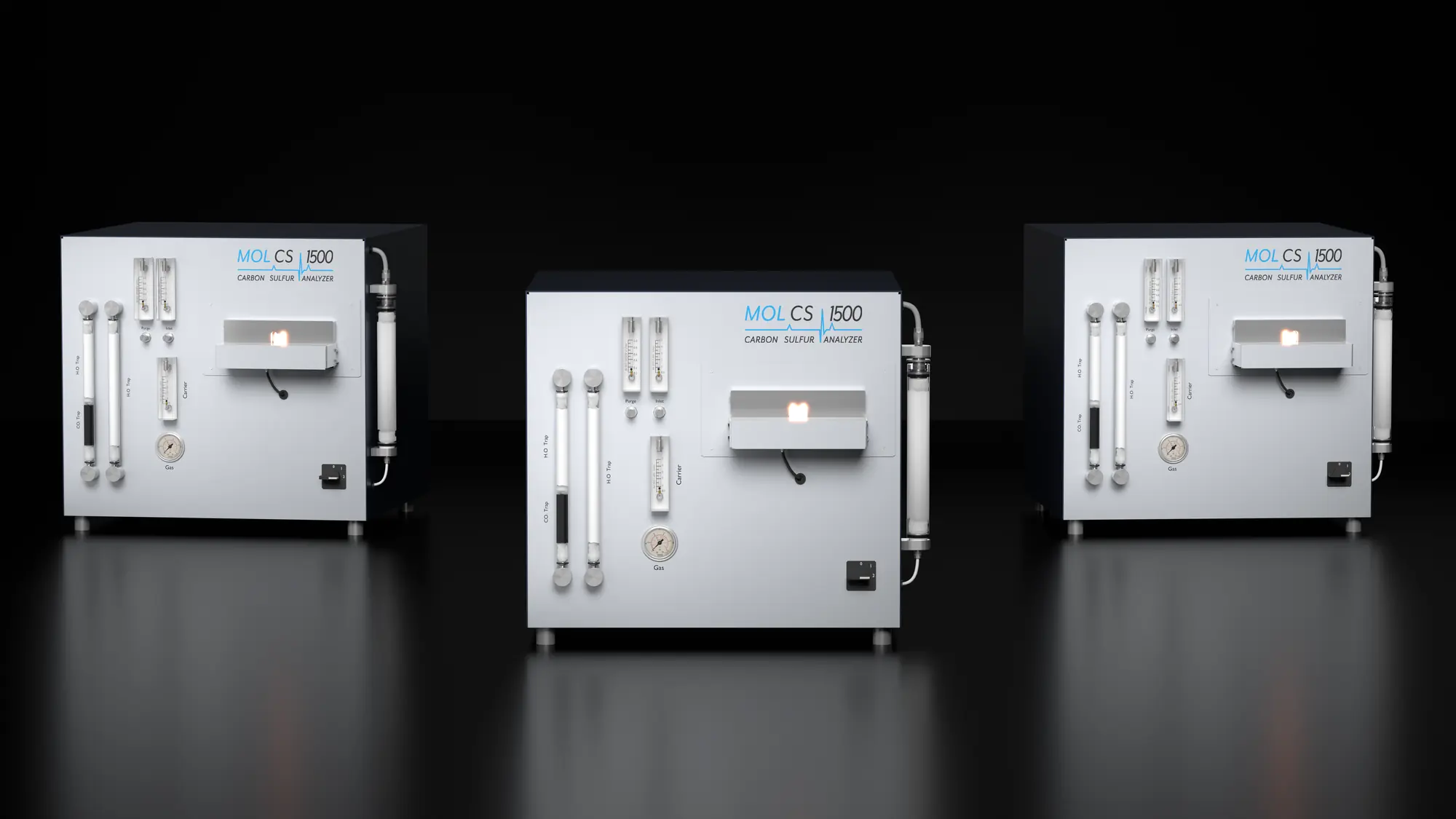
Mol Analytik GmbH · Munich
Carbon and sulfur, down to 0.025 milligrams.
Mol Analytik develops and builds elemental analyzers and high-temperature furnaces for determining carbon and sulfur in solid samples. Robust enough for heavy industry, precise enough for research.
Free sample analysis
Send us your sample. We will measure it.
Talking about analytical results is one thing. Seeing what a Mol analyzer actually gets out of your material is quite another. We analyze your sample in our application laboratory in Munich – free of charge and without obligation.
Four steps to your own application report
- 01
Send the sample
Send us 20 to 50 grams of your material with a short description: matrix, expected concentration range, required standard.
- 02
We measure
Our application specialists develop the method for your matrix and run a complete measurement series.
- 03
You get the numbers
You receive an application report with individual measurements, mean value and absolute as well as relative deviation. The same data you see further up this page.
- 04
Only then the buying decision
The analysis commits you to nothing. If you do decide on an instrument afterwards, we define the detector configuration and measuring range from your own measurement results. So you do not get a standard instrument, but one whose measuring range is tailored to your samples – at no extra charge.
No sales call required first. You get measured values even if you decide differently afterwards.
free of charge
Or watch it happen live.
On request we measure your sample during an online meeting while you watch. You follow the sample weight, the combustion run and the measurement curve in real time on our screen and can ask questions as they come up. Afterwards you receive the full report of the measurements we carried out together – with every individual value, the mean and the deviations. So you get both: the measured value on paper and the certainty of having seen how it came about.
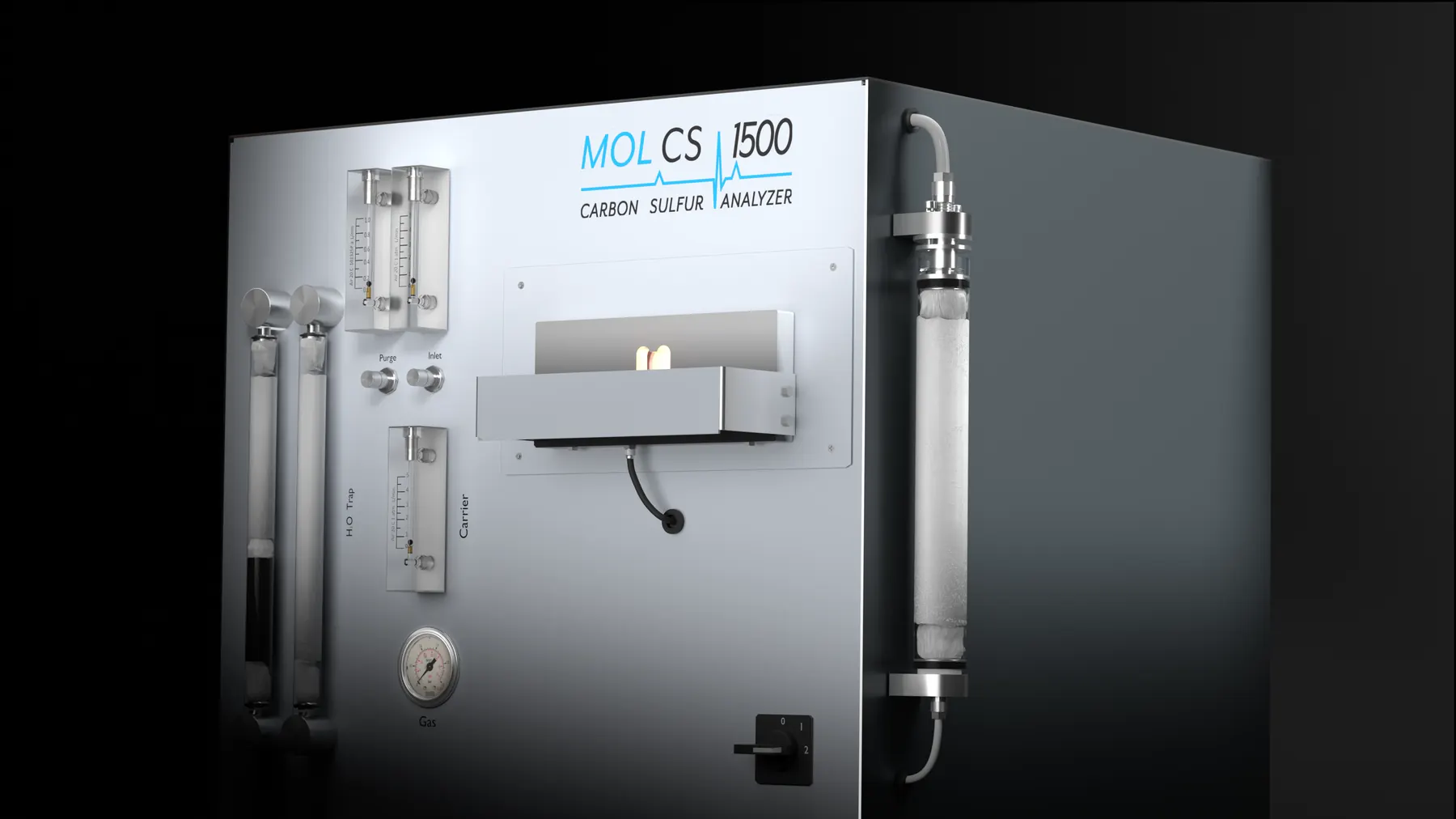
Elemental analyzer
Mol CS1500
Just under 180 litres of volume – one of the most compact analyzers in its class. Integrated high-temperature furnace up to 1550 °C, high sample weights up to 10 grams for soil, measuring ranges tailored to your matrix.
- 450 – 1550 °C
- 0.1 °C resolution
- up to 100 % C
- up to 20 % S
High-temperature furnaces
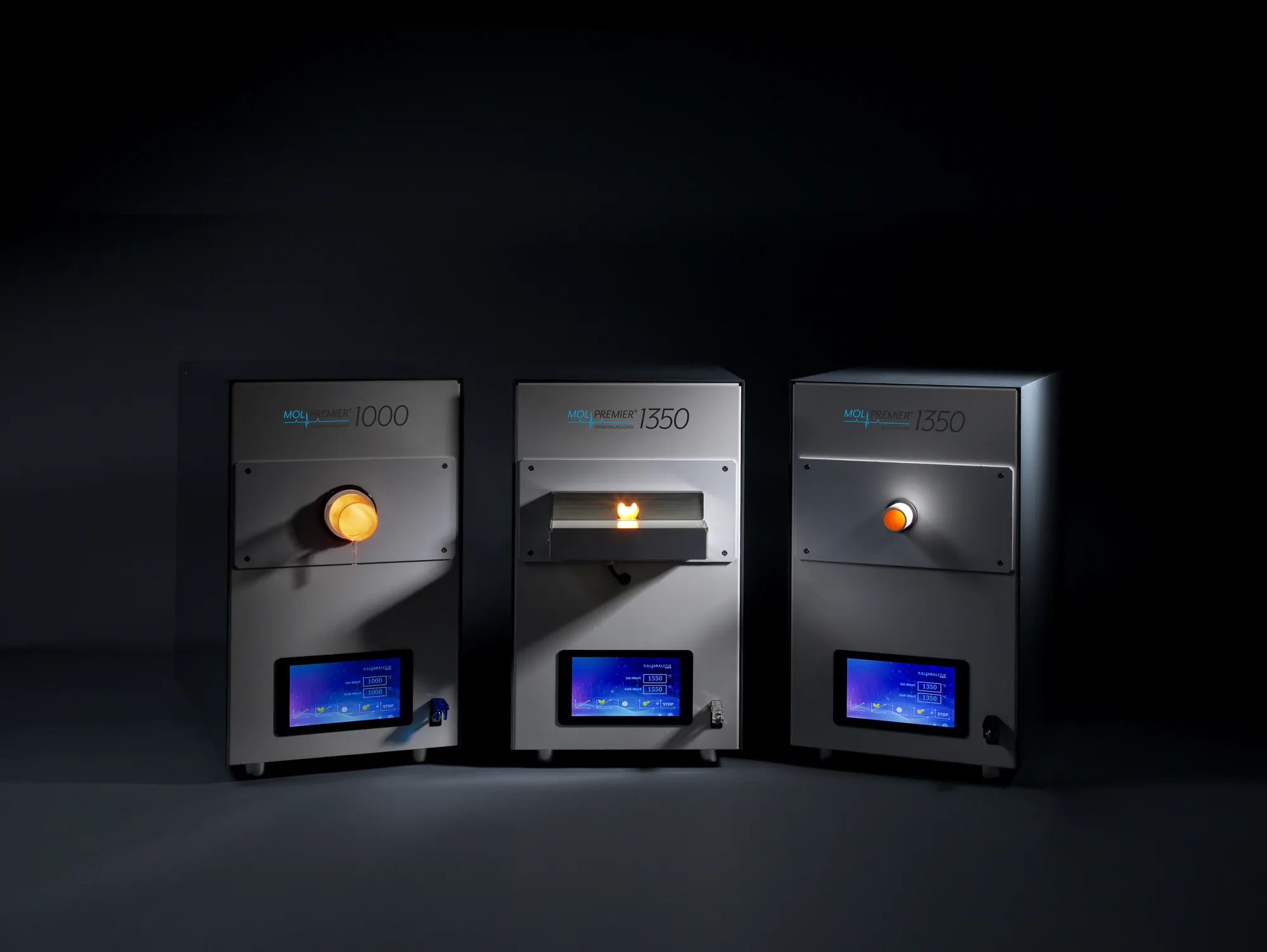
Mol Premier®
Resistance-heated high-temperature furnaces. The right furnace for every sample: for particularly large samples, for particularly high temperatures and for particularly low concentrations.
- Mol Premier® 1350 Combustion FurnaceComplete oxidation of the sample in the oxygen stream at up to 1550 °C.
- Mol Premier® 1350 Pre-Heating FurnaceBurns out crucibles and boats and thus lowers the carbon blank – an important prerequisite for trace analysis.
- Mol Premier® 1000 Combustion FurnaceFor particularly large samples. Large tube diameter, non-destructive determination.
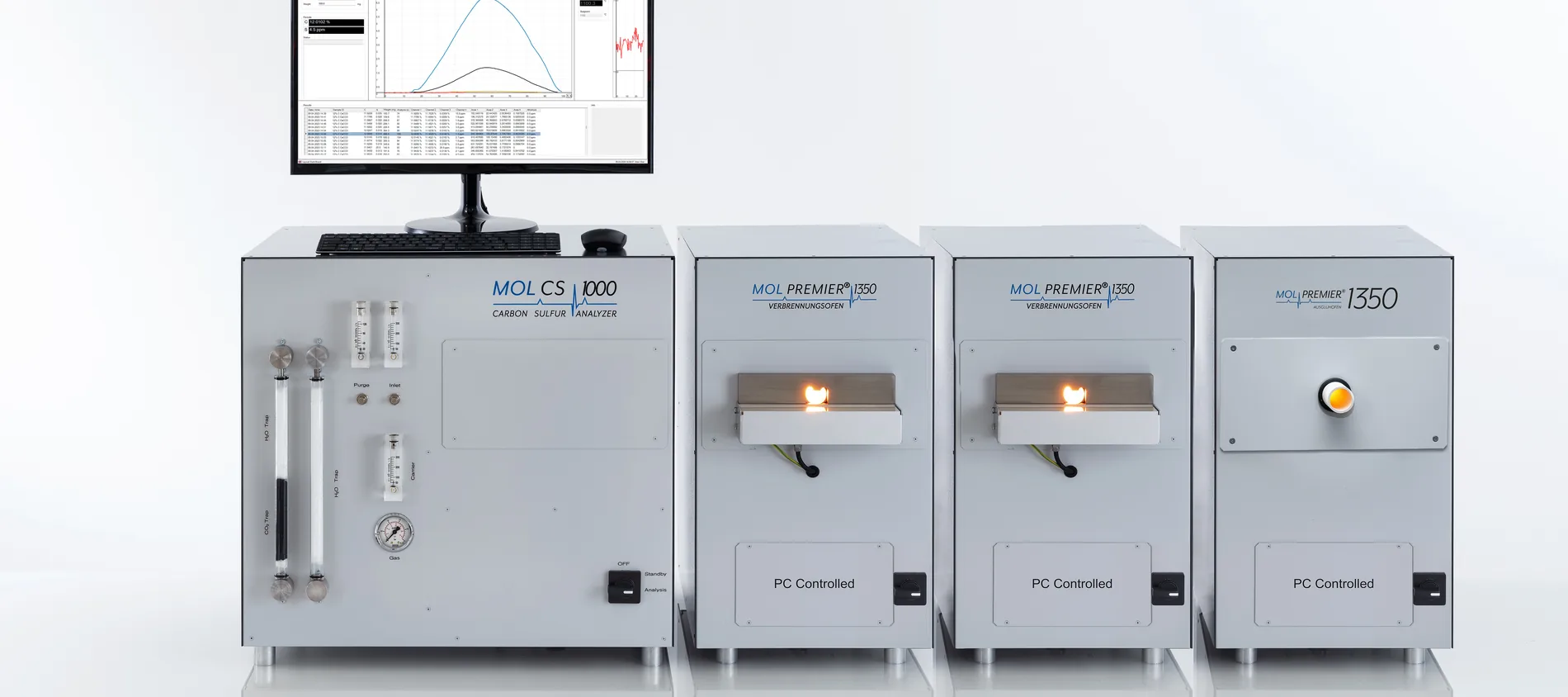
Mol Premier® 1000 combustion furnace, Mol Premier® 1350 combustion furnace and Mol Premier® 1350 pre-heating furnace.
Elemental analyzer
Mol CS1000
The analyzer with an external furnace. Mol Multi Furnace technology lets you run up to three high-temperature furnaces on a single analyzer – for instance two combustion furnaces for different matrices plus a pre-heating furnace. Retrofittable at any time.
- up to 3 furnaces
- TC and TS simultaneous
- TOC and TIC
- 1 – 4 IR cells
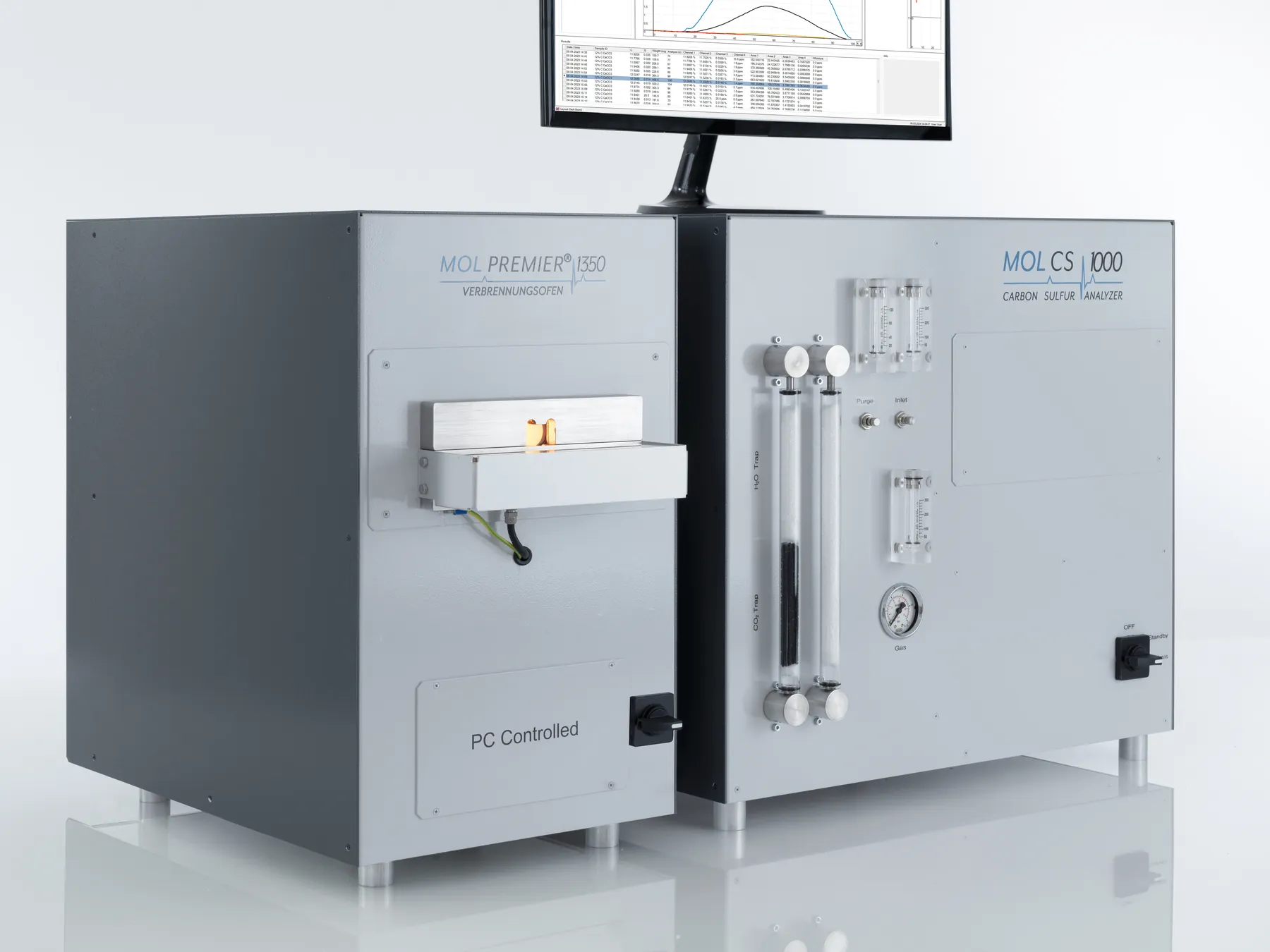
Mol Multi Furnace
One analyzer, up to three furnaces.
Two combustion furnaces for different matrices and a pre-heating furnace to lower the carbon blank – all on one Mol CS1000 and controlled from a single software. You switch applications with a mouse click instead of rebuilding the furnace, and extend the system as demand grows.
Measuring principle
Combustion, purification, detection.
Every analysis follows the same physical path – traceable and reproducible.
Combustion in an oxygen stream
The sample is weighed into a ceramic boat and burned in the horizontal resistance furnace at up to 1550 °C. Oxygen acts as both oxidant and carrier gas. The carbon present oxidises to CO₂, the sulfur to SO₂. Temperature is decisive here: sulfates only decompose completely above roughly 1400 °C – if they remain stable, the sulfur result comes out too low. The Mol Premier® furnaces reach 1550 °C and cover that range.
Gas purification and drying
An electronic flow controller keeps the gas stream constant. Dust traps and moisture absorbers deliver a dust-free, dry gas mixture to the measuring cells. This protects the optics and stabilizes the baseline across long measurement series.
NDIR detection
Detection takes place in element-specific, non-dispersive infrared measuring cells. Each gas absorbs infrared light according to its own spectral pattern, and absorption is proportional to concentration. The infrared path is made of aluminium and gold.
Calculation against sample weight
Signals are linearized, integrated, divided by the sample weight and output as mass fractions in percent C and percent S. The balance transmits the sample weight directly to the PC; manual entry is also possible.
Engineering detail
Engineered for the highest demands.
Application data
Measured values, not promises.
Results from our application laboratory in Munich.
| C | 62.098 % ± 0.202 · 0.33 % |
|---|---|
| S | 2.420 % ± 0.006 · 0.26 % |
| Individual measurements | n = 8 |
| Sample weight | 450 mg |
| Instrument used | Mol CS1000 |
Mean value ± Dev. abs. · Dev. rel.
| C | 99.959 % ± 0.291 · 0.29 % |
|---|---|
| Individual measurements | n = 8 |
| Sample weight | 450 mg |
| Instrument used | Mol CS1000 |
Mean value ± Dev. abs. · Dev. rel.
| C | 12.014 % ± 0.017 · 0.14 % |
|---|---|
| Individual measurements | n = 13 |
| Sample weight | 351 mg |
| Instrument used | Mol CS1000 |
Mean value ± Dev. abs. · Dev. rel.
| C | 1.128 % ± 0.023 · 2.04 % |
|---|---|
| S | 0.507 % ± 0.010 · 1.95 % |
| Individual measurements | n = 8 |
| Sample weight | 502 mg |
| Instrument used | Mol CS1000 |
Mean value ± Dev. abs. · Dev. rel.
Matrix finder
What does your material need?
Select your matrix. You immediately see the required furnace temperature, which elements are determined and which application report we hold measurement data for.
-
Coal
C+S≥ 1350 °C for difficult samples up to 1450 °C -
Coal
C+S≥ 1350 °C for difficult samples up to 1450 °C -
Cement
C+S≥ 1250 °C -
Graphite
C> 1000 °C -
Calcium carbonate
C> 800 °C -
Mold sand
C+S1350 °C -
Clay
C+S≥ 1350 °C for difficult samples up to 1480 °C
References
Instruments that have been running for years.
Users and laboratory managers confirm the performance of their instruments to us in writing. The signed certificates are on file with us.
The instrument has been performing reliably and accurately for the determination of carbon and sulfur in solid samples. We are satisfied with the analytical performance, repeatability, and stability of the analyzer in routine operation.
- Building materials testing laboratory Mol CS1500 in operation since February 2024
- Graphite manufacturer Mol CS1500 in operation since June 2025
- Independent testing laboratory Mol CS1500 in operation since May 2025
- Application laboratory of a distribution partner Mol CS1000 in operation since August 2024
Sample materials
Materials and samples at the centre of our analysis
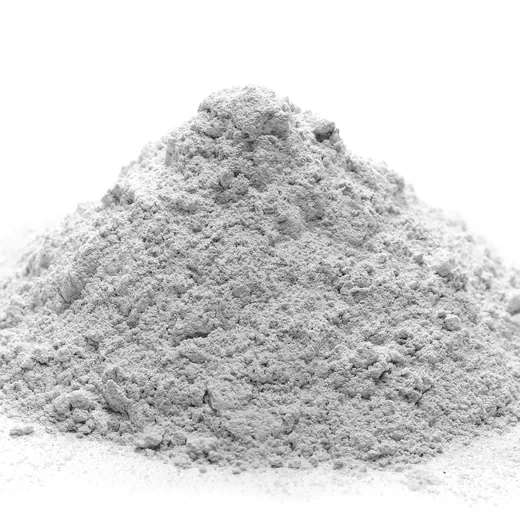
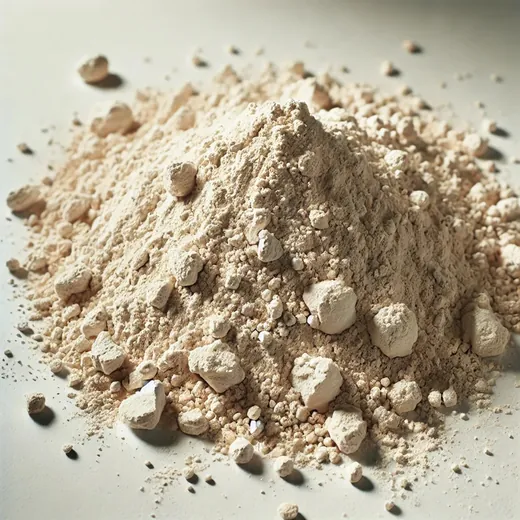
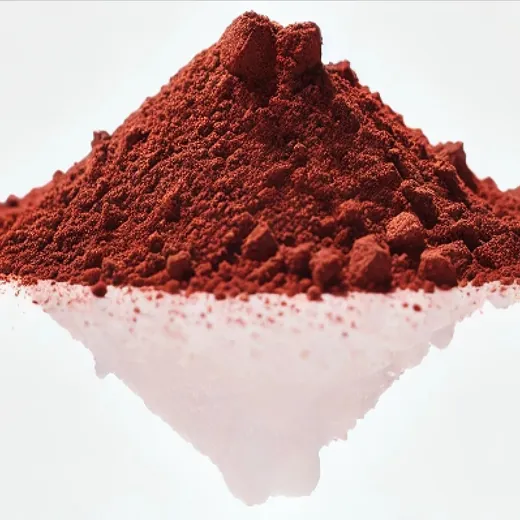
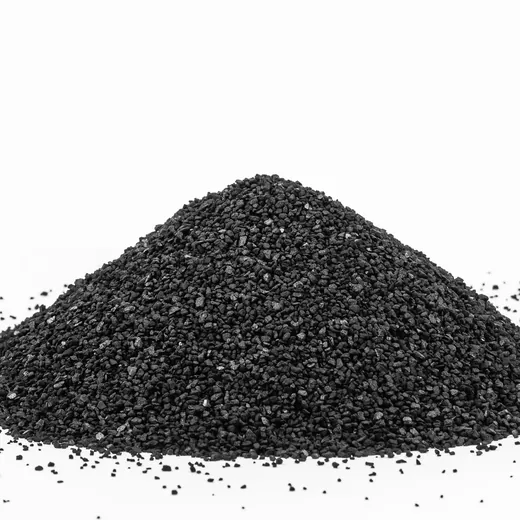
Solid and in part liquid materials, organic as well as mineral. From coal, coke and oil through ash, gypsum and soils to catalysts, rubber, waste and cement.
-
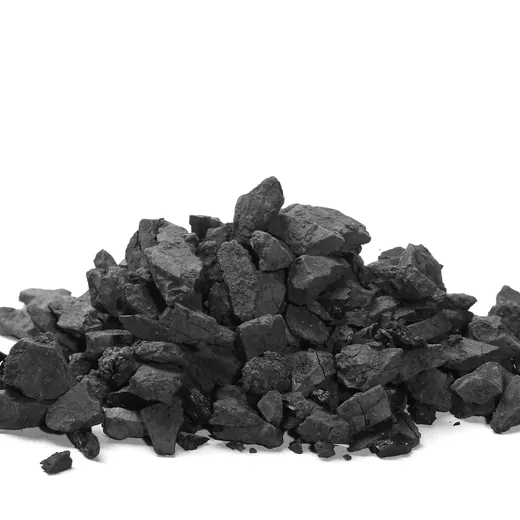 Coal
-
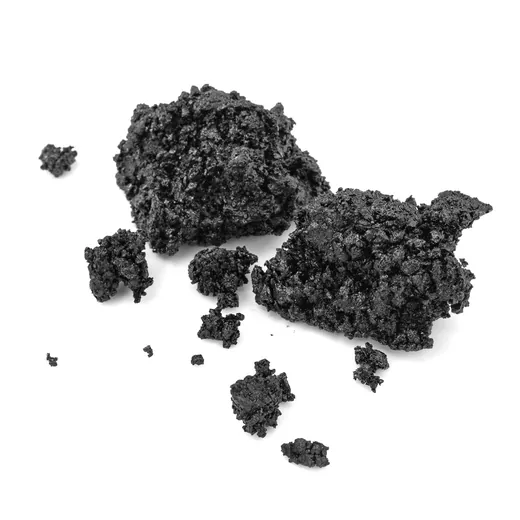 Coke
-
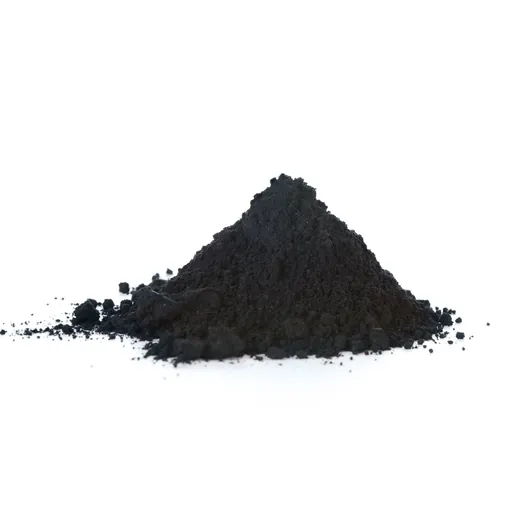 Soot
-
 Cement
-
 Clay
-
 Mold sand
-
 Graphite
-
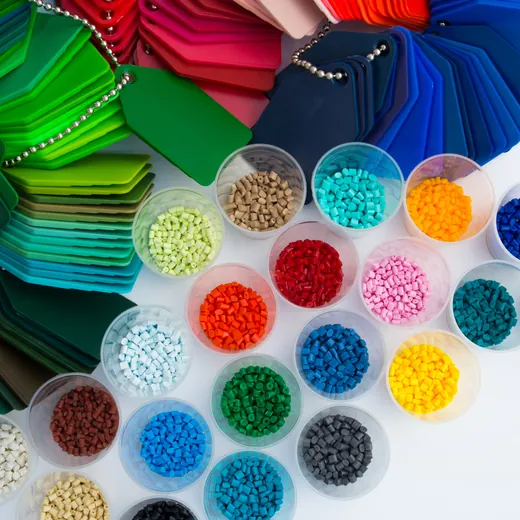 Plastic
Further matrices we measure routinely: Oil · Ash · Catalysts · Limestone · Gypsum · Soils · Rubber · Waste · Sand · Tobacco · Plant matter
Fields of application
Where our instruments work.
Wherever chemical composition determines the value of a material – and wherever a measured value has to withstand an audit.
- Mining, geology and coal
- Environment and recycling
- Energy generation and power plants
- Chemicals and plastics
- Building materials and cement
- Agricultural science
- Medicine and pharmaceuticals
- Research and development
Mol software
Software that knows laboratory routine.
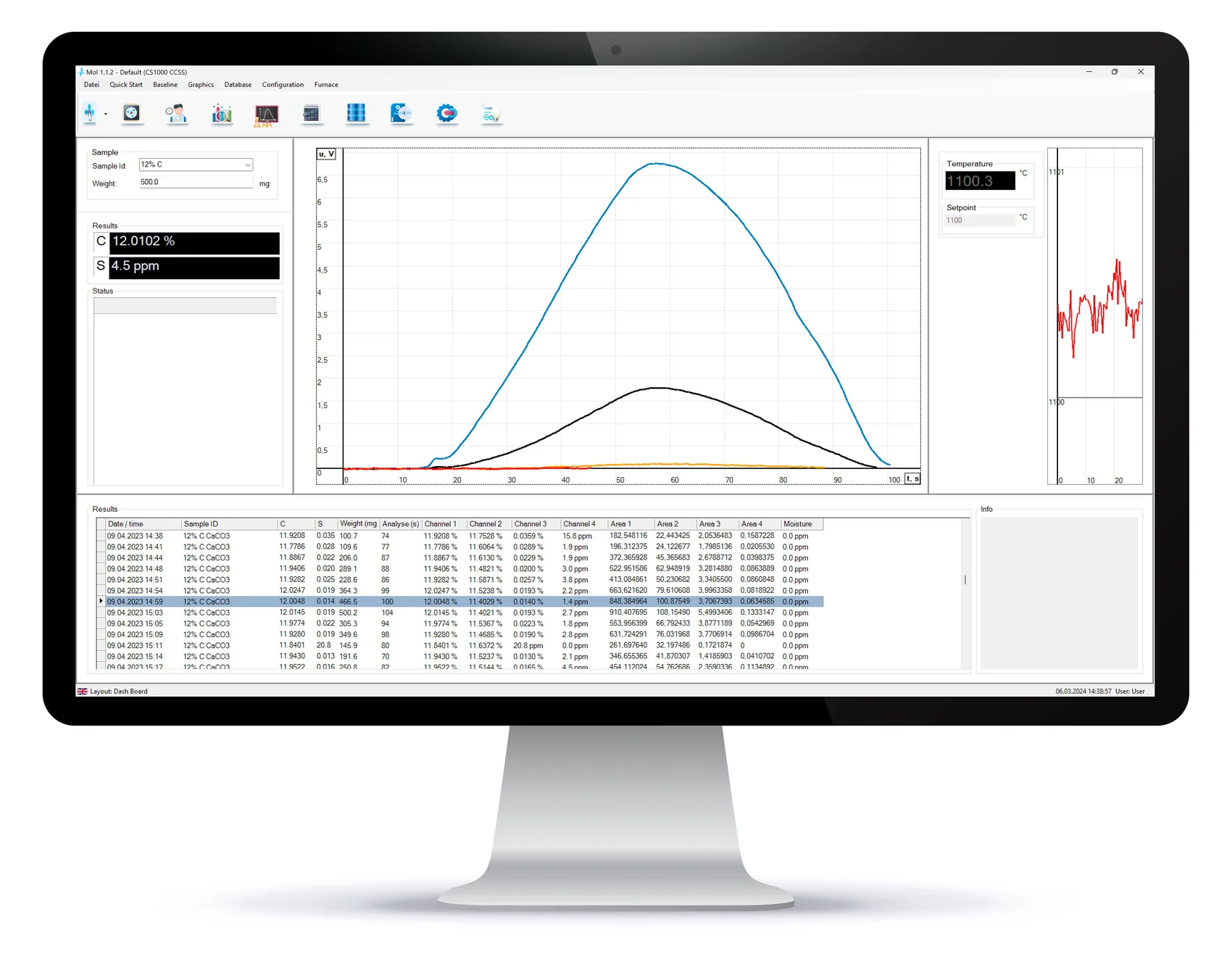
The central control and evaluation software Mol runs the CS1000, the CS1500 and every furnace of the Premier® series. Windows-based and multilingual. What sets it apart from plain data acquisition are the functions you only miss once you are in routine operation:
Fractionated analysis
Using multi-stage furnace ramps, the software evaluates the measurement curve step by step. This separates carbon by release temperature – organic from inorganic, for instance – in a single analysis run.
Multi-point calibration
Using several standards, the software fits a calibration curve rather than a straight line through zero. That pays off when you measure across several orders of magnitude – from trace content to main constituent – and do not want to run into non-linearity at the top end. Blank value and calibration verification are documented along with it.
Results on a dry basis
Enter the separately determined moisture and the software recalculates the result automatically. The raw value is preserved, and both figures appear in the report.
Diagnostics with service export
Signal traces and events can be exported as a file and sent to our service team. Many faults are resolved this way without anyone having to travel.
Gas saving mode
Between analyses the oxygen flow is throttled. With gas prices that noticeably strain laboratory budgets, this pays off over a year of operation.
User roles
Operators measure, calibrate and report. Advanced settings remain with the administrator – important when several shifts work on the same instrument.
Standards
Measuring by the book.
The elemental analyzers Mol CS1000 and Mol CS1500 as well as the combustion furnaces of the Mol Premier® series meet or exceed the requirements of all common ASTM, DIN, EN and ISO standards for carbon and sulfur determination by combustion analysis.
We will name the specific applicable standards for your matrix and concentration range.
Why Mol Analytik
What we stand for.
We do not build instruments that look good in a brochure. We build instruments that still return the right value after five years of continuous operation in a dusty plant.
High-end at a fair price
High-quality analytical technology should not be a privilege of large corporate laboratories. We develop state-of-the-art instruments and keep the price within reason.
Custom builds
If your application departs from the norm, we build the analyzer to match. Tailored measuring ranges are not a surcharge here, they are standard.
Built for heavy industry
Dust, vibration, temperature swings: our instruments are designed for environments where laboratory electronics usually give up.
Solid construction
Robust mechanics, low-maintenance technology, wear parts accessible from the outside. What gets replaced often must be reachable without tools.
Reliability and accuracy
Our products deliver results you can base decisions and compliance records on.
Support that stays
From installation and training to ongoing maintenance. Partnership means being reachable after the invoice too.
Service
Expertise, commitment and a large helping of friendliness.
Instruments are only half of it. The other half is that they measure when you need them to. Precision is our standard. Reliability our promise.

Frequently asked questions
How does a carbon/sulfur analyzer work?
What is the difference between the Mol CS1000 and the Mol CS1500?
What measuring range do the analyzers cover?
How long does an analysis take?
Resistance furnace or induction furnace – what is the difference?
Which samples can be analyzed?
How large may the sample weight be?
What is the pre-heating furnace for?
Can TOC and TIC also be determined?
Which standards are met?
Can detectors be retrofitted?
Where are the instruments built?
Contact
Let's talk about your matrix.
Tell us what you need to measure and in which range. The fastest route is to send us a sample – or we measure it together in an online meeting. Both free of charge and without obligation.